April 7, 2026
Your home serves as a sanctuary against the unpredictable elements, and the roof is the primary shield keeping your family safe and dry. Over time, every roofing system faces the inevitable wear and tear caused by sun exposure, heavy rain, and fluctuating temperatures. Deciding whether to address minor issues or invest in a full structural update can feel like a daunting task for many homeowners. By paying close attention to specific warning signs and understanding the physical state of your materials, you can make an informed choice that protects your property value. This guide explores the indicators that suggest it is time to call in professionals to evaluate your options.
Visible Shingle Damage and Aging
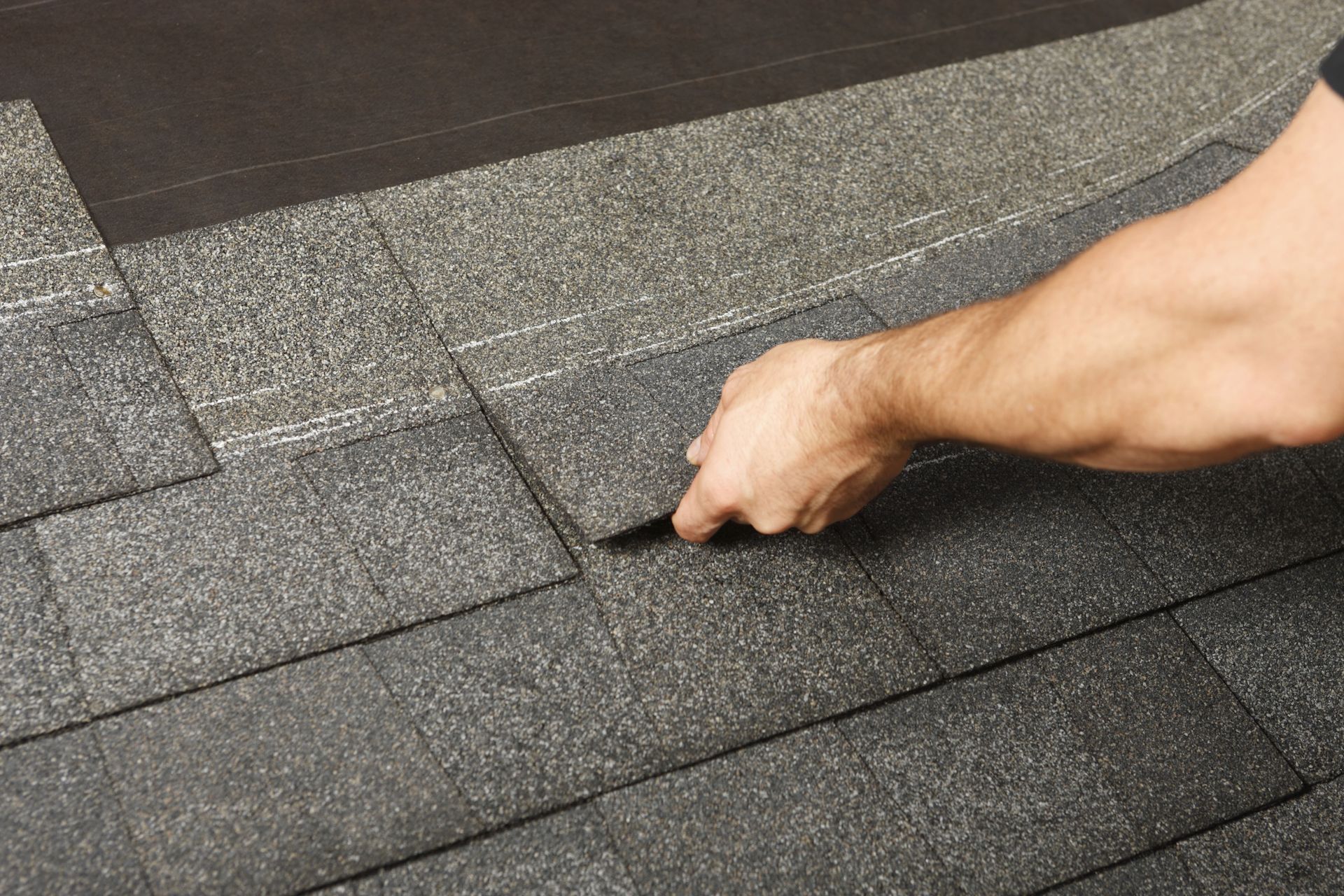
One of the most obvious signs that your overhead protection is failing involves the physical condition of the shingles. If you notice shingles that are curling, buckling, or cracking, it suggests the material has reached the end of its functional life. While a few damaged pieces might only require localized attention, widespread curling usually indicates that the entire surface is no longer flexible enough to withstand environmental stress. When you observe these changes across large sections of your home, contacting roof repair contractors for a comprehensive inspection is the most logical step to ensure your home remains watertight and secure.
Granule Loss in Gutters
Asphalt shingles are coated with small granules that protect the underlying material from ultraviolet rays. It is common to see some granules wash away during the initial years after installation, but finding a significant amount of sandy debris in your gutters later on is a major red flag. This loss of protective coating means the shingles are becoming brittle and vulnerable to heat damage. Because this type of erosion often happens uniformly across the surface, roof repair contractors frequently recommend a full replacement when the protective layer has thinned out significantly, as patches cannot restore the lost UV protection.
Persistent Interior Leaks
Water stains on your ceiling or damp spots in the attic are clear indicators that moisture has breached the external barrier. While a single leak might be the result of a slipped shingle or a localized puncture, multiple leaks in different areas often point to a systemic failure. According to This Old House, approximately 31% of homeowners in the United States have pursued roof renovation, repair, or maintenance projects in the past three years, highlighting how common these structural concerns are for property owners. If you find yourself placing buckets every time it rains, it is time to have roof repair contractors identify if the underlayment has been compromised beyond simple fixing.
Visible Roof Line Sagging
A sagging roof is a serious structural issue that requires immediate professional intervention. This visual dip often suggests that the decking underneath the shingles has been weakened by long-term moisture exposure or that the supports are struggling under the weight of the materials. Unlike surface-level issues, sagging impacts the core integrity of the building and cannot be solved with minor adjustments. Professional roof repair contractors are trained to identify whether the issue stems from rot or foundational movement. Ignoring a sagging roof line can lead to a catastrophic failure, so transitioning to a new, sturdy system is usually the only safe path forward.
Light Peeking Through the Attic
An easy way to check the health of your home is to visit your attic on a sunny day with the lights turned off. If you can see beams of daylight peeking through the roof boards, it means there are gaps large enough for water and pests to enter. These openings are often accompanied by signs of moisture, like mold or mildew on the rafters. When light is visible, the barrier is no longer sealed, and the efficiency of your insulation is likely suffering. Experienced roof repair contractors can determine if these gaps are caused by minor flashing issues or if the entire deck has warped and needs to be stripped and replaced.
Growth of Moss and Algae
The appearance of green moss or dark algae streaks might seem like a purely aesthetic problem, but these organisms can cause significant damage over time. Moss holds onto moisture against the shingle surface, which can lead to rot and shingle lifting during freeze and thaw cycles. While cleaning can sometimes help, heavy growth often hides underlying decay that has already weakened the structure. If the growth is pervasive and has begun to root into the materials, roof repair contractors may find that the integrity of the roof has been too heavily impacted to justify a simple cleaning or a minor fix.
Visible Compromised Chimney Flashing
The material used in flashing to seal the areas where the roof meets other structures, such as chimneys, vents, or skylights. In older homes, this flashing was often made of roof cement or tar, which tends to crack and degrade over time. Modern standards prefer durable metal flashing, but even metal can rust or pull away from the masonry. If you notice water pooling around these junctions, it is a sign that the seal is broken. Skilled roof repair contractors can often replace flashing to extend the life of an otherwise healthy roof, but if the leaks have caused rot in the surrounding wood, a more extensive replacement might be necessary.
Noticeable Spiking Energy Bills
Your roof plays a vital role in the ventilation and insulation of your home. If you notice a sudden and unexplained increase in your heating or cooling costs, your roof might be the culprit. Improper ventilation can cause heat to build up in the attic, forcing your air conditioner to work harder, while gaps in the roof structure allow treated air to escape. When the system is no longer helping to regulate your indoor climate, it loses its value as a protective layer. Consulting with roof repair contractors can reveal if the current system is outdated and if a modern replacement would provide better thermal regulation and long-term savings.
Materials Exceeding Their Lifespan
Every roofing material comes with a predicted expiration date. Typical asphalt shingles generally last between twenty and twenty-five years, while metal or tile can last significantly longer. If you know your roof is approaching its third decade, it is likely time to consider a total replacement, even if there are no catastrophic failures yet. Materials become less reliable as they age, and the cost of frequent small fixes can quickly exceed the investment of a new installation. Proactive roof repair contractors can help you plan for a replacement before an emergency occurs, ensuring you aren't caught off guard by a major failure during a storm.
Noticeable Increase of Repair Frequency
There comes a point where the frequency of maintenance becomes a sign in itself. If you find yourself calling for help every few months to fix a new leak or replace a few more shingles, you are essentially putting a bandage on a larger problem. Continual patches can lead to an uneven roof surface and may hide deep-seated issues that continue to worsen. At this stage, roof repair contractors often suggest that a full replacement is the most cost-effective solution in the long run. Transitioning to a new system provides peace of mind and eliminates the constant cycle of minor fixes that fail to address the root cause of the deterioration.
If you have noticed any of these warning signs, do not wait for the next big storm to take action. The team at All Star Exteriors is ready to provide a thorough evaluation of your roofing needs. Whether you require a specialized fix or a complete system upgrade, getting expert advice is the first step toward a safer home. Reach out to the professionals at All Star Exteriors today to discuss your project and secure your property for the future.